

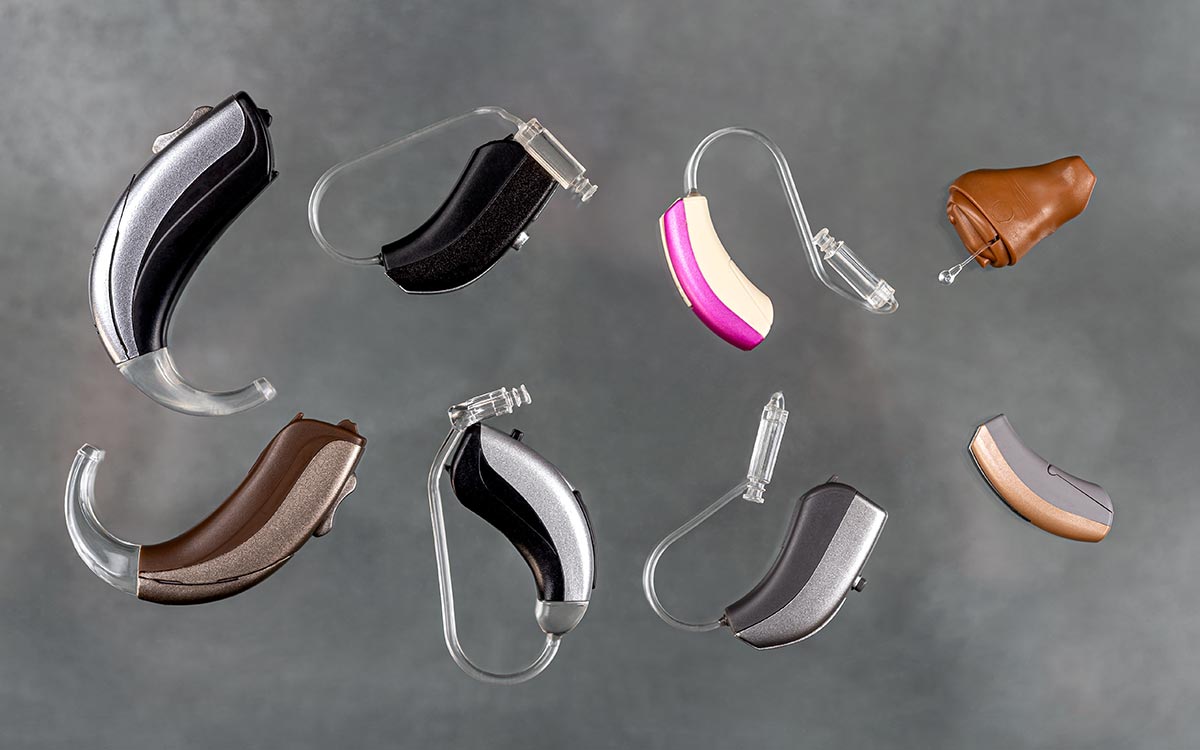
Choosing a hearing aid can feel overwhelming, especially when today’s devices come in so many styles, sizes, and technology levels. Rest assured that there is an assistive device tailored to every lifestyle and degree of impairment. The key is merely identifying the one that fits you best.
By learning about the differences between various hearing aid models, you can move forward with greater confidence and knowledge. Today, we’re summarizing the different hearing aid styles and what makes each one unique.
The ITC (In-the-Canal) Style Detailed
What they are:
These hearing aids are placed partly inside the canal, making them visible only slightly from the outside.
The Perks:
- Less noticeable than standard full-size models
- Specifically contoured to the wearer’s ear for an optimal fit
- Suitable for mild to moderate hearing loss
First-time wearers frequently lean toward ITC aids because they strike an ideal compromise between size and performance.
IIC (Invisible-in-Canal) Engineering
What they represent:
IIC models are the most miniature custom-fitted hearing solutions you can choose. These devices sit so deeply back in the ear that they are nearly impossible to see.
Primary Incentives:
- Maximum aesthetic discretion
- Microphone depth helps mimic the ear’s natural sound collection
- A feather-light build makes them easy to wear all day
The small form factor of IIC models makes them perfect for mild hearing loss and anyone who values an invisible hearing solution.
Full and Partial ITE Options
The Fundamentals:
ITE hearing aids fill either the entire outer ear (full-shell) or the lower portion (half-shell). These are custom-fabricated for an exact match based on your ear’s anatomy.
Why users favor this style:
- The bigger size makes it possible to include more internal components and longer-lasting batteries
- Great for individuals who find smaller devices difficult to manipulate
- Powerful enough to provide sufficient power for extreme hearing needs while remaining in-the-ear
ITE models are often chosen by people who want an uncomplicated, all-in-one design without behind-the-ear components.
Traditional Behind-the-Ear (BTE) Units
Summary:
Placed firmly on the back of the ear, BTE models sit on the outer ridge. Audio is delivered via a thin tube or a personalized mold in the canal.
Reasons for Selection:
- Regarded as one of the most reliable and sturdy designs available
- Can be set to assist users with everything from mild to profound loss
- The spacious casing allows for high-tech extras and built-in power cells
BTE devices are a wonderful option for individuals seeking reliability, ease of use, and strong amplification.
The RIC Style Breakdown
Design Specifications:
The RIC design keeps the main housing behind the ear while moving the receiver into the ear canal itself.
Market Interest:
- Very organic sound quality
- The ultra-thin design is both light and nearly effortless to wear
- Flexible enough to address a broad number of hearing impairments
Thanks to their ease and aesthetic appeal, RIC devices have become an industry standard.
Extended-Wear Hearing Aids
Usage Profile:
These devices are inserted far in the ear canal by an audiology professional and can stay in place for several weeks at a time.
Why individuals choose them:
- Eliminates the need to put in or take out the device every day
- Sitting deep in the canal makes them completely hidden from view
- Engineered to be worn throughout everyday activities, including sleeping and exercising
These models are the ultimate choice for an effortless, seamless hearing experience.
Connected Hearing Solutions
Digital Features:
Bluetooth-ready hearing aids allow for an electronic bridge between your hearing technology and your smart devices.
Digital Benefits:
- Send calls, music, and audio directly to the hearing aids
- Provides an unobtrusive method to manage your hearing environment from your mobile screen
- Perfectly suited for the requirements of a tech-savvy, connected individual
Most contemporary RIC, BTE, and ITC hearing aids now offer an advanced version.
Understanding Middle-Ear Implant Systems
What they are:
Middle-ear implants are specialized instruments that use mechanical vibration to enhance hearing via the middle ear.
Who they are serving:
- Serves as a critical alternative for those who find no success with traditional amplification
- This is an expert choice for those with chronic ear canal sensitivity.
Candidates for middle-ear implants should undergo an exhaustive evaluation by an expert specialist.
Your Path to Better Hearing
Selecting a hearing aid is a personal journey that takes into account your hearing severity, lifestyle habits, and visual preferences. By visiting a specialist, you can investigate various models and see which one feels most natural to you.
Begin your journey to clearer sound by setting up a hearing test now. Your future of confident communication starts with this first evaluation.
Sources:
https://www.mayoclinic.org/diseases-conditions/hearing-loss/in-depth/hearing-aids/art-
20044116
https://www.hearinglife.com/hearing-aids/types
https://www.nidcd.nih.gov/health/hearing-aids