

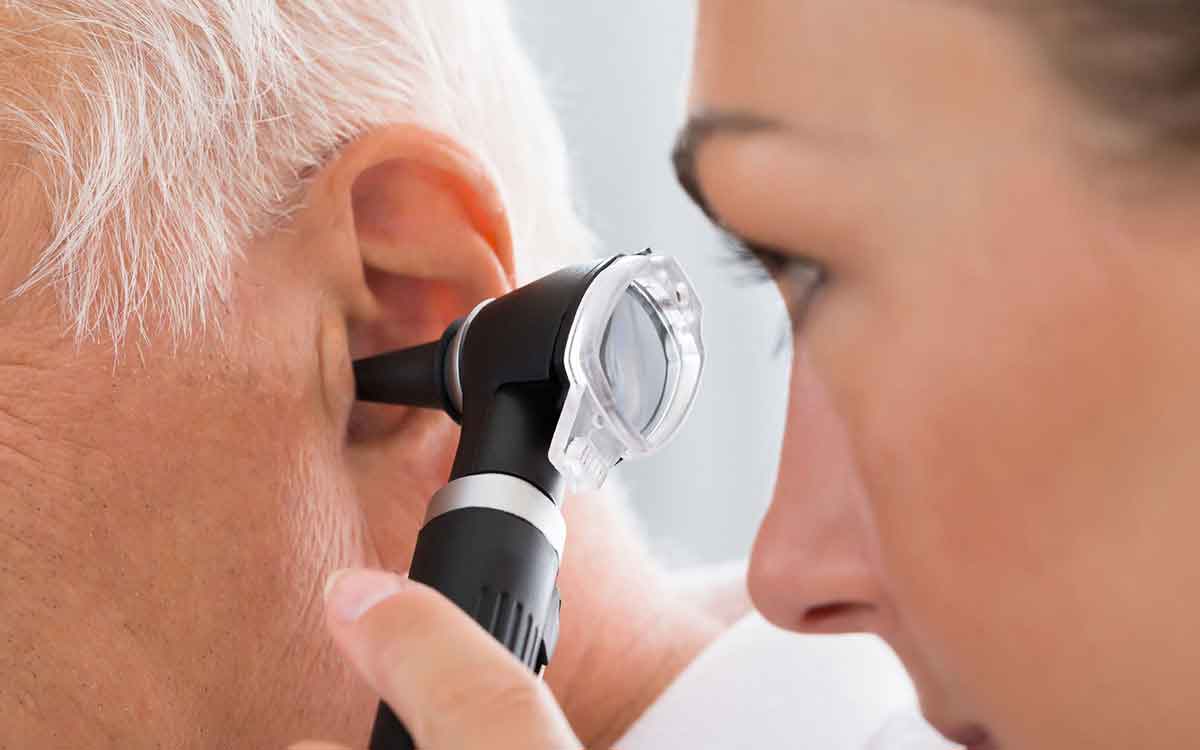
The insidious nature of hearing loss often causes preliminary symptoms to be overlooked. Many people adjust without realizing it by increasing the TV volume, requesting frequent repetitions, or avoiding crowded environments.
But recognizing the early signs of hearing loss is essential.
Common Symptoms of Early Hearing Loss
If you experience any of the following symptoms, it is advisable to undergo an audiological screening.
- Reduced clarity during dialogue within high-noise areas.
- Frequent instances of asking for verbal repetitions during daily interactions.
- Hearing muffled or slurred speech where sounds lack definition.
- Requiring higher volume levels for media beyond the comfort of family members.
- Trouble perceiving high-frequency audio, such as children’s voices, birds, or electronic alerts.
- Auditory sensations such as ringing, buzzing, or humming, known as tinnitus.
- Cerebral exhaustion after social events caused by straining to follow speech.
- Withdrawing from social gatherings because conversations feel overwhelming.
These early signs of hearing loss can affect either ear and may come and go at first. Since the auditory cortex adapts to changes, subconscious adjustments often remain hidden until clinical hearing loss is substantial.
Auditory Health: Current Statistics and Projections
The World Health Organization estimates that hearing rehabilitation requirements will impact 700 million people by 2050. Other relevant statistics consist of:
- By 2050, approximately 2.5 billion people are expected to have various levels of hearing loss.
- More than five percent of the global community (roughly 430 million people) requires rehabilitation to manage significant hearing loss.
- In excess of 1 billion young adults face the threat of irreversible hearing loss resulting from hazardous acoustic habits.
- Among those over the age of sixty, over 25% have clinically significant hearing loss.
Why Timely Auditory Assessment Matters
Untreated hearing loss may influence your overall health in manners you may not realize.
Research has linked hearing loss with higher incidences of withdrawal, mental health challenges, cognitive decline, and equilibrium problems.
Recognizing changes early on promotes more effective outcomes and varied therapeutic choices.
A hearing evaluation helps identify if shifts stem from age-related hearing loss, noise exposure, earwax buildup, infection, or underlying pathology.
Occasionally, auditory changes are temporary and can be effectively addressed.
Alternatively, timely adoption of hearing devices or preventative measures can slow progression.
Guidelines for Consulting an Audiologist
A clinical hearing assessment is warranted if you experience the following:
- Auditory symptoms persist for more than several weeks.
- Difficulty hearing begins to influence professional tasks or daily activities.
- You experience sudden hearing loss, vertigo, or chronic ear ringing (this should be evaluated promptly).
Auditory screenings are comfortable and noninvasive, plus they provide critical data into your hearing health.
We encourage you to reach out to our clinic if you believe a hearing assessment would be advantageous.
Auditory Health FAQ: Initial Symptoms
Q: Is hearing loss always age-related?
A: No. While age-related hearing loss is common, hearing changes can also result from noise exposure, medications, infections, genetics, or underlying medical conditions.
Question: Are there cases where hearing loss is reversible?
A: In specific instances involving earwax or infection, hearing may be restored. While other forms are irreversible, they can usually be managed with professional treatment or hearing technology.
Question: How frequently should an individual undergo a hearing test?
A: Adults should have a baseline hearing test by age 50, or earlier if symptoms or risk factors are present.