
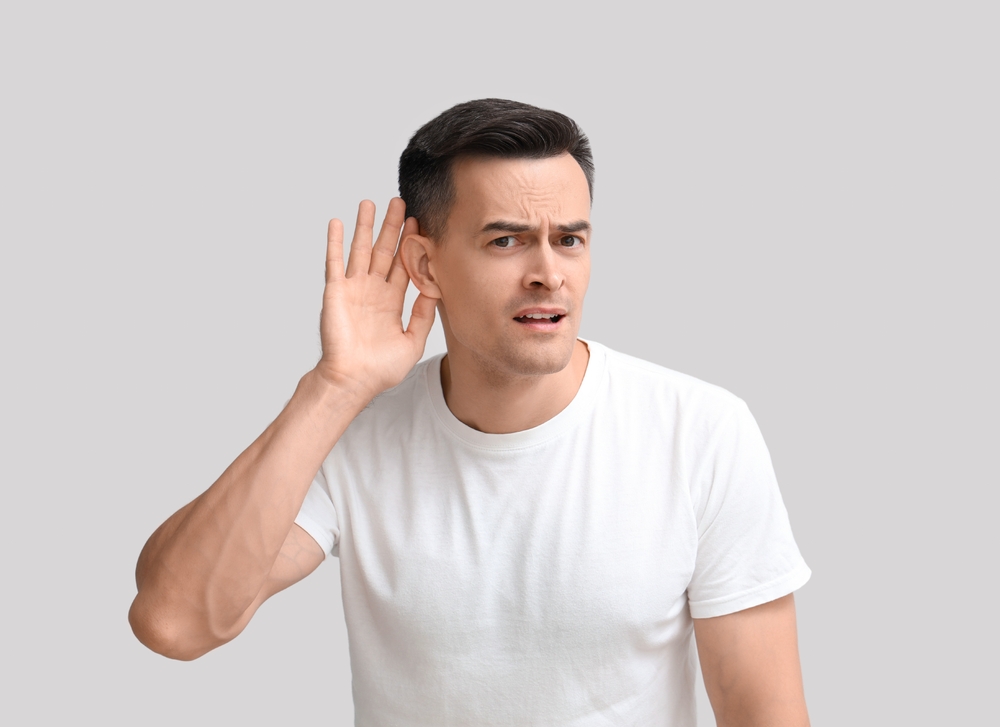
Is it common for you to feel physically and mentally spent after navigating a social environment?
It is easy to misattribute this fatigue to general stress, lack of sleep, or sensory overload. Certainly, for those with introverted tendencies or sensory processing sensitivities, social engagement is naturally taxing. Frequently, this specific type of burnout is actually triggered by chronic auditory fatigue.
Auditory fatigue occurs when the central nervous system must expend excessive energy to decode acoustic signals. When hearing is not as clear as it should be, the brain often tries to fill in missing pieces of speech and interpret unclear sounds, which takes significant mental effort. Sustained periods of this “effortful listening” eventually lead to total cognitive depletion.
Many people mistake auditory fatigue for ordinary tiredness. In many cases, persistent fatigue serves as a diagnostic “red flag” for early-onset hearing impairment. Undergoing a clinical screening can identify the extent to which hearing loss drives your daily fatigue. If you notice this pattern happening regularly, talk to your provider about determining whether hearing loss is contributing to your symptoms.
What Causes Auditory Fatigue?
The risk of developing auditory fatigue is increased by several physiological and environmental factors.
The Hidden Cost of Ignoring Hearing Loss
Failing to address hearing loss is a major factor in the development of persistent auditory fatigue.
When the ears cannot detect certain sounds clearly, the brain tries to compensate by filling in gaps. The mental labor required for constant speech reconstruction causes energy levels to plummet during social interaction.
Auditory Fatigue in Social Settings
Locations with poor acoustics often act as a tipping point for auditory fatigue. Loud public spaces, corporate boardrooms, and large social gatherings typically feature high levels of competing ambient noise.
Processing concurrent audio streams requires the brain to perform intense “auditory scene analysis” to find the primary speaker. This biological workload frequently triggers cognitive overload, particularly when any level of hearing loss is present.
Distortion, Tinnitus, and Cognitive Drain
Tinnitus, often described as ringing or buzzing in the ears, can also contribute to listening fatigue because the brain must process external sounds and internal noise signals simultaneously.
A distorted acoustic signal acts as a “broken link,” requiring the brain to expend extra energy to fix the data in real-time.
How to Recognize the Onset of Auditory Fatigue
Auditory fatigue can affect both mental focus and overall energy levels. Frequently observed symptoms include:
- Experience of deep cognitive depletion following verbal interaction
- Difficulty concentrating during meetings or group discussions
- Development of “listening headaches” after long social events
- A sense of agitation triggered by difficult listening conditions
- A tendency to “tune out” or physically leave social gatherings
- Requiring immediate sensory deprivation or sleep after socializing
If these symptoms occur frequently, it may indicate that your ears and brain are working harder than they should.
The Neurology of Effortful Listening
With healthy hearing, the brain’s speech recognition pathways operate with high efficiency. However, when hearing loss is present, the brain must allocate more cognitive resources to decode sounds.
Researchers describe this as increased cognitive load. It involves the brain siphoning energy from memory retrieval and focus to prioritize basic speech understanding. Sustained energy redirection eventually results in a state of total mental insolvency. Even short conversations may require more concentration than they should.
Why a Hearing Test is the First Step to Recovery
Should listening effort compromise your quality of life, a clinical hearing test is the essential diagnostic tool. In the clinic, an expert will assess your ability to detect specific pitches and interpret clear speech. An audiologist may simulate real-world noise to see how your brain manages complex auditory environments.
The results of a hearing test provide the roadmap for addressing both the impairment and the resulting burnout. Timely audiological care is the most effective way to halt the progression of auditory fatigue.
Restoring Energy Through Hearing Care
The right hearing treatment acts as a “pressure release valve” for the brain’s processing centers.
Modern hearing aids improve sound clarity by amplifying important speech frequencies and reducing background noise. By delivering a clean signal, these devices eliminate the need for the brain to expend energy on reconstruction.
Once auditory strain is reduced, the following areas often show significant improvement:
- Sustained cognitive stamina during the workday
- Ability to follow complex dialogue without drifting off
- Feeling relaxed and confident in noisy environments
By reducing neural over-exertion, your daily life regains its sense of ease and fluidity.
Timing Your Audiological Evaluation
Consider booking a hearing test if any of the following rings true:
- Socializing feels like a high-intensity mental workout
- Others comment on your need for frequent repetition during social calls
- Background noise makes speech recognition a major challenge
- Social withdrawal is becoming your default response to difficult acoustics
Early action on hearing impairment is a foundational step in preserving your mental and social health.
Frequently Asked Questions: Auditory Fatigue
Auditory Fatigue vs. Hearing Loss: What’s the Difference?
Actually, no; auditory fatigue is the cognitive result of the strain, not the physical impairment itself. Most people experience auditory fatigue as a direct consequence of their hearing loss.
Can Technology Lower My Cognitive Load?
Absolutely; by cleaning up the acoustic signal, modern devices take the processing load off the brain.
Can I Recover from Auditory Fatigue?
With the right treatment, the exhaustion associated with auditory fatigue is often completely reversible.
Stop Feeling Drained After Conversations
Socializing should replenish you, not leave you feeling drained. Feeling “wiped” after a party is a signal that your brain is struggling to manage its cognitive load.
Schedule your hearing test today by contacting us today. Total peace of mind is only possible when you understand the physiological roots of your fatigue.