
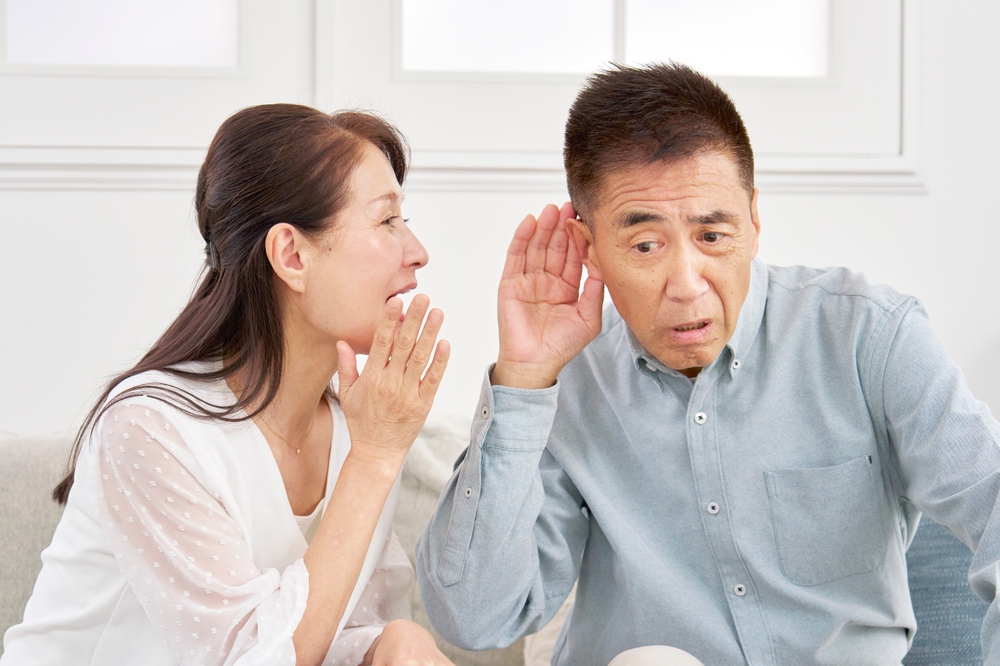
Hearing loss is more common than most of us might realize, but misinformation continues to prevent many people from seeking proper care. Early diagnostic accuracy is essential for anyone experiencing the onset of hearing loss. Believing common hearing loss myths can delay diagnosis, impact communication, and reduce your overall quality of life.
If you have concerns about your hearing, knowing the truth (and the myths!) can help you make informed decisions about your health and proceed with greater confidence. Let’s take a closer look at seven hearing loss myths that deserve to be clarified, along with the truths that put them in their place.
Myth: Hearing Impairment is Solely a Condition of Aging
While age-related hearing changes are common, hearing loss can occur at any age. Auditory challenges in children and young adults often stem from noise pollution, heredity, or pharmaceutical side effects.
Viewing hearing impairment through an age-restricted lens delays diagnosis for millions of younger individuals.
Myth Two: Auditory Awareness Equals Perfect Hearing
The presence of hearing loss does not always manifest as total profound deafness. Patients with mid-range impairment often perceive environmental noise while losing the ability to decode complex speech. Audiology recognizes a diverse spectrum of impairment levels that fall short of total deafness.
You might notice difficulty following conversations in noisy environments, frequently asking others to repeat themselves, or feeling mentally exhausted after social interactions. Such symptoms are early clinical indicators that the auditory processing system is under stress.
3. Myth: Hearing Loss Is Simply an Inconvenience
Ignoring hearing loss creates systemic health risks that impact the entire neurological system. Clinical studies associate untreated impairment with isolation, elevated cortisol levels, and accelerated cognitive decline.
Proactive hearing care is a vital component of maintaining cognitive health and emotional stability.
4. Myth: Hearing Aids Make Your Hearing Worse
The assumption that amplification leads to “lazy ears” is contradicted by modern audiological science.
Hearing aids do not damage your ears. Modern tech calibrates sound output to match the specific “gaps” found in your clinical hearing test. By stimulating the auditory nerve, these devices help prevent the “unlearning” of speech sounds in the brain.
Myth: All Hearing Aids are Bulky and Noticeable
Recent innovations in hearing science have prioritized both power and miniaturization. Contemporary hearing aids deliver elite processing power within incredibly discreet housings. Numerous models—such as Invisible-in-the-Canal (IIC) devices—remain completely hidden during daily use.
Beyond their small profile, these devices feature AI-driven noise cancellation and seamless smartphone integration.
Myth Six: The Fallacy of “Wait and See” for Mild Loss
Even a subtle auditory deficit can significantly increase the cognitive load required for daily conversation. Early treatment helps prevent listening fatigue and reduces the strain placed on the brain during conversations.
Patients who pursue early help experience a much smoother transition to using hearing technology.
Myth Seven: The Generic vs. Personalized Care Fallacy
While some over-the-counter hearing devices may provide basic amplification, they are not customized to your specific hearing profile. Professional diagnostics ensure your hearing solution is “tuned” to your specific environment and biology.
Individualized care ensures your device feels natural while providing crystal-clear sound quality.
Don’t Let Hearing Loss Myths Hold You Back
While aural changes are intimidating, delaying care only leads to more complex communicative issues. Auditory fallacies act as roadblocks to the treatment that could change your life today. The good news is that hearing evaluations are simple, painless, and highly informative.
Should you perceive even minor shifts in your auditory acuity, a baseline exam is your most critical move. Early intervention can improve not only communication, but also overall quality of life.
For more information or to book your next hearing test, please contact our clinic today. Contact our office today to schedule your personalized hearing consultation.