
September 13, 2026

Insights for Your Hearing Health

Get trusted tips, insights, and hearing health updates from your hearing care team.

Whether you’re exploring solutions for the first time or a long-time hearing aid user, our experts at Colonial Center for Hearing Audiology are here to offer advice and resources to support your journey.

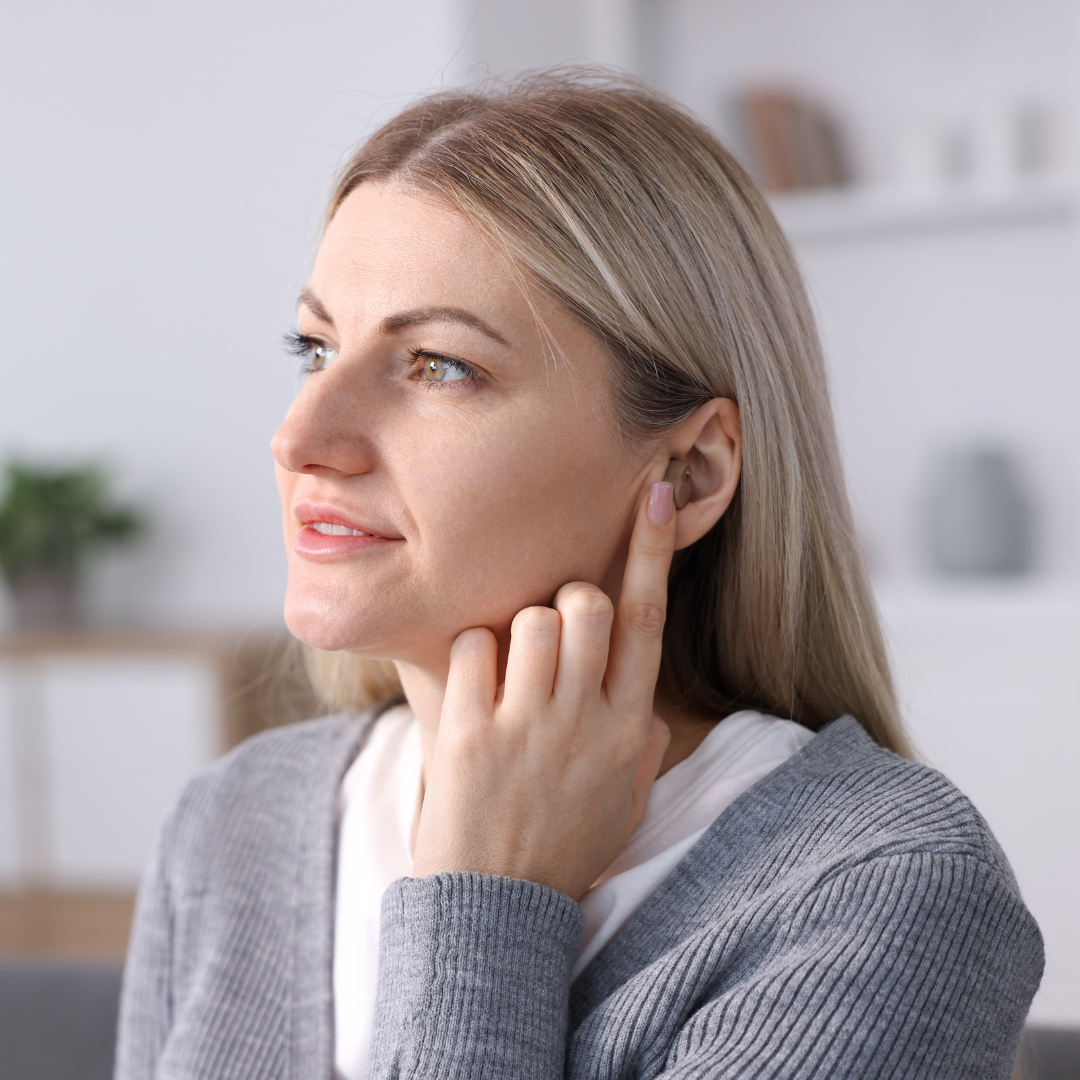
A woman with blonde hair touches her ear with her finger, looking thoughtful. She wears a gray sweater and sits indoors with blurred shelves and a plant in the background.

What Causes Hearing Aids to Whistle, and How Do You Stop It?

A sudden, high-frequency whistle from your hearing aid can trigger immediate annoyance and disrupt communication if left uncorrected. Our practice can identify whether the sound comes from the fit, earwax, device settings, worn parts, or a technical problem. Discover what produces hearing aid feedback and which home-care techniques can resolve simple issues while signaling when
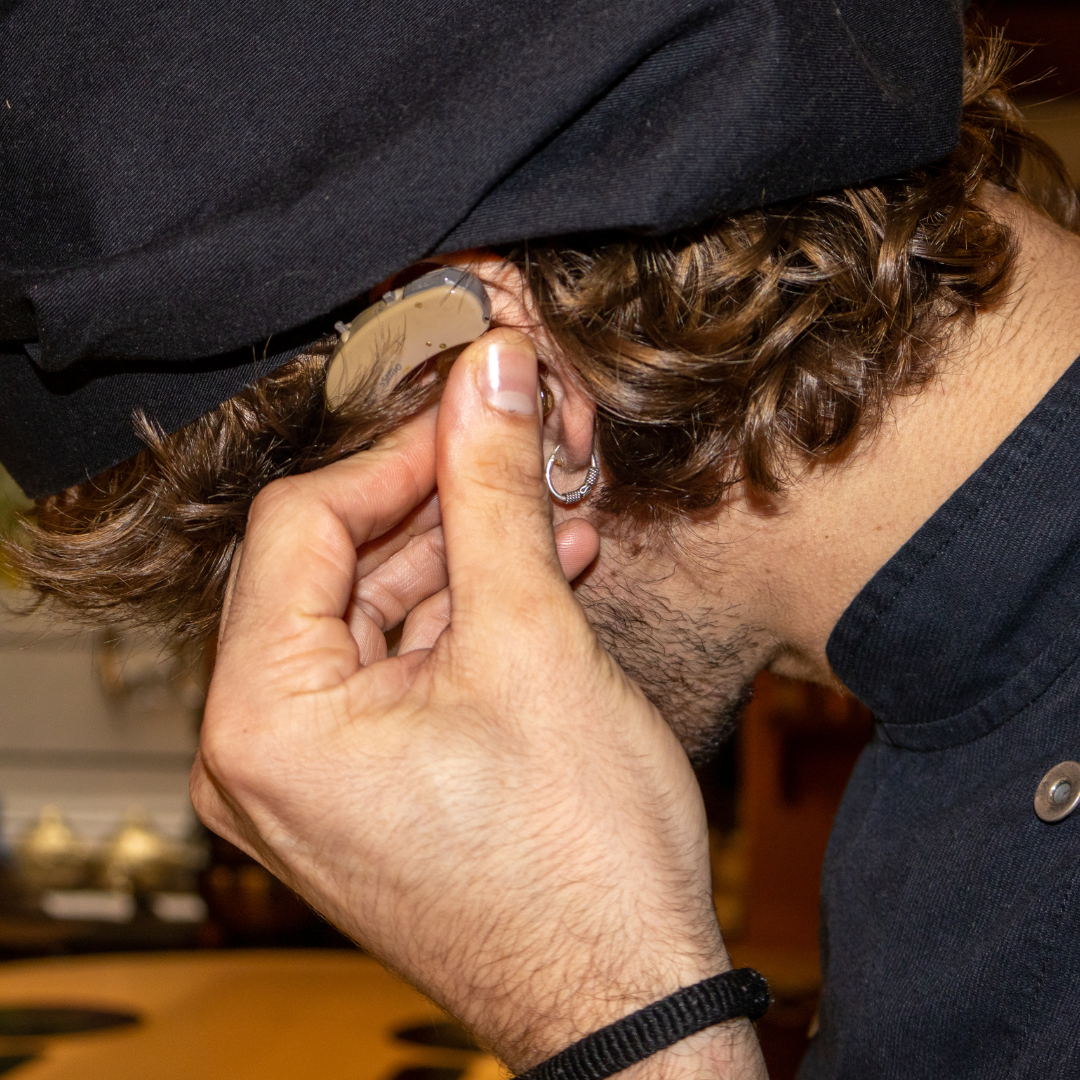
A person with curly hair and a black hat adjusts a hearing aid behind their ear, using their right hand.

Why Are Restaurants Challenging for Hearing? Practical Communication Tips

Following dinner conversations becomes challenging when high ambient noise interferes with your focus and hearing. Our specialists can evaluate hearing under both calm and noisy listening conditions to establish why noisy rooms present such difficulty. As soon as we identify the physiological cause of your difficult hearing, we deliver personalized rehabilitation options. Explaining Normal Quiet

Understanding Why Your Hearing Aids Might Cause Headaches

Modern hearing aids aim to effectively treat your individual hearing loss profile. Whether you are new to wearing hearing aids or have been wearing them for years, if your hearing aids cause headaches or any other type of pain, there is a solution. A properly adjusted hearing aid will fit comfortably in your ear and

Infant Hearing Test Failure: Understanding Your Next Steps

For first-time parents, discovering that their infant experiences auditory deficits remains extraordinarily shocking and painful. But the positive fact is that because of prompt medical testing and early intervention, young children with hearing deficits are positioned to prosper. Without doubt, such infants can learn language, social capabilities, and meaningful relationships within their community, securing a