
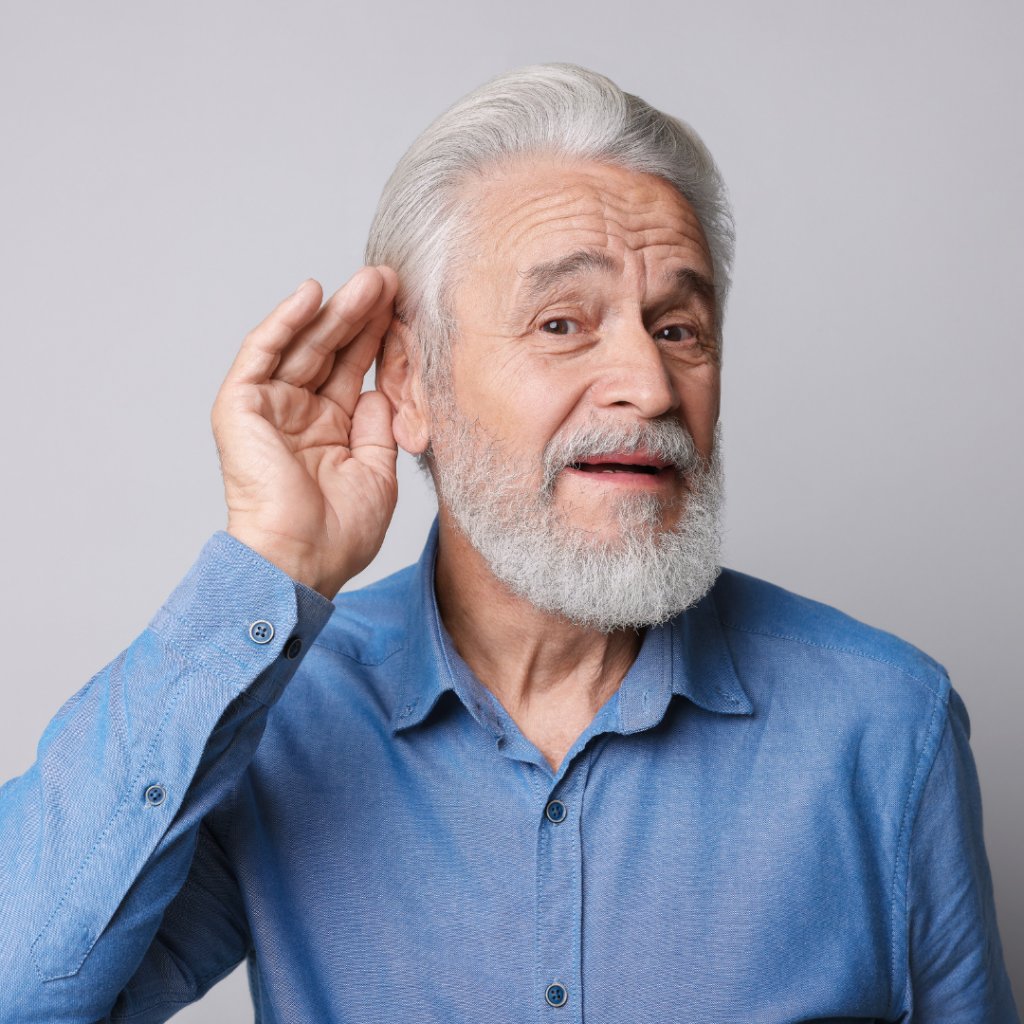
Experiencing a rapid decline in hearing in a single ear is a distressing event that creates understandable uncertainty. Our clinical team conducts same-day diagnostic hearing evaluations and streamlines collaborative medical care following sudden auditory changes. A sudden hearing loss always warrants immediate assessment by a hearing specialist to evaluate therapeutic options or personalized rehabilitation.
Why Sudden Unilateral Hearing Loss Is a Clinical Emergency
Indeed it is. Experiencing sudden hearing loss on one side constitutes a clinical emergency, especially when the drop happens over hours or a couple of days. Sudden sensorineural hearing loss (SSNHL), frequently referred to as sudden deafness, stems from pathology within the cochlea or the auditory nerve pathways. It standardly presents without physical discomfort, often being erroneously dismissed as simple earwax impaction or sinus congestion.
Common clinical manifestations include:
- A sudden decline in unilateral sound perception or vocal intelligibility
- Struggling to decipher telephone conversation when holding the receiver to the affected ear
- An acoustic pop or distinct feeling of canal fullness heralding the auditory change
- The sudden development of unilateral tinnitus, including buzzing, hissing, or roaring sounds
- Balance disturbances, postural unsteadiness, or acute vestibular vertigo
Do not adopt a wait-and-see strategy hoping the auditory deficit corrects itself. Contact our audiology practice, an emergency department, or an ear, nose, and throat physician for immediate same-day direction.
Timing and Prognosis: Why Immediate Care for Sudden Hearing Loss Is Vital
Prompt diagnosis is paramount because pharmaceutical therapies for sudden sensorineural hearing loss achieve optimal outcomes when initiated immediately. The primary diagnostic objective is establishing whether the impairment is conductive, involving external or middle-ear mechanical blockages like wax or fluid, or sensorineural, implicating inner ear structures. While conductive and sensorineural losses can feel virtually identical to the patient, they mandate entirely different clinical therapies.
A thorough physical ear inspection combined with a diagnostic hearing test isolates the exact type, audiometric shape, and severity of the loss.
Obtain urgent emergency medical evaluation without delay if sudden hearing loss is accompanied by:
- Sudden facial droop, hemi-facial paresis, or sensory numbness
- Dysarthria (slurred speech), acute cognitive confusion, or an atypical, severe headache
- Acute visual disturbances, fainting spells, or marked ambulatory unsteadiness
- Chest pain or other signs of a medical crisis
These symptoms may indicate a neurological or vascular emergency and should not be evaluated through a routine appointment.
What Triggers Sudden Deafness in a Single Ear?
In most cases of sudden sensorineural hearing loss, no definite cause is found. If an underlying cause is identified, it typically entails tissue inflammation, physical injury, microcirculatory failure, autoimmune disease, or specific cochlear nerve disorders.
Recognized pathological triggers include:
- Viral cochleitis or secondary bacterial infections
- Traumatic brain injury, temporal bone fracture, or acute acoustic trauma
- Systemic autoimmune disease or autoimmune inner ear disease (AIED)
- Exposure to prescription ototoxic medications that harm cochlear hair cells
- Problems involving blood flow
- Chronic vestibular conditions including active Ménière’s disease
- Neurological conditions such as multiple sclerosis
- A benign tumor, such as a vestibular schwannoma, compressing the vestibulocochlear nerve
Since presenting signs do not confirm the specific etiology on their own, obtaining a prompt examination and diagnostic audiologic testing is essential.
Clinical Treatment Protocols for Sudden Sensorineural Hearing Loss
High-dose corticosteroids serve as the primary first-line medical therapy when sudden sensorineural hearing loss presents without an identifiable cause. These medications may be prescribed orally or delivered through intratympanic injections across the tympanic membrane to access inner ear fluids directly. We establish personalized treatment regimens by evaluating the chronological window, decibel severity of the impairment, systemic health conditions, and drug contraindications.
Corticosteroid therapy is standardly initiated within the first two weeks post-onset, making it vital to commence treatment as early as clinically feasible. Providers may advise intratympanic steroid injections as an aggressive salvage therapy if oral treatment produces incomplete hearing restoration. In specific clinical presentations, the otolaryngologist may recommend combining hyperbaric oxygen therapy alongside standard steroid regimens.
Understanding Spontaneous Recovery in Sudden Sensorineural Hearing Loss
Sudden sensorineural hearing loss can improve without treatment. About half of affected people regain some or all of their hearing spontaneously, often within the first one to two weeks. Nevertheless, clinicians have no definitive diagnostic method to predict at onset who will recover, what degree of hearing will return, or whether gains will prove permanent.
Hoping for spontaneous recovery does not justify waiting or postponing clinical intervention. Initiating treatment several weeks following symptom onset drastically reduces the probability of reversing permanent damage, effectively shutting a vital clinical window. Auditory outcomes differ substantially among patients, ranging from full recovery to partial or minimal improvement.
Rehabilitation Options for Treatment-Resistant Sudden Hearing Loss
If auditory thresholds fail to normalize completely, management depends on residual hearing sensitivity, unilateral speech discrimination scores, and the exclusion of underlying retrocochlear pathology. We may advise undergoing an MRI with contrast or an auditory brainstem response test to inspect the integrity of the acoustic nerve and adjacent neurovascular structures.
Comprehensive long-term auditory solutions encompass:
- Custom programming of a traditional hearing aid when the ear maintains usable acoustic thresholds
- A CROS system that sends sound from the poorer ear to the better ear
- A bone-conduction device for appropriate candidates
- Cochlear implantation for medically and audiologically eligible candidates presenting with single-sided deafness (SSD)
- Dedicated assistive listening technology engineered for challenging workplace, classroom, or group conversations
Targeted audiologic rehabilitation provides strategies to manage cognitive listening exhaustion, impaired sound localization, and interpersonal communication hurdles. Choosing the best rehabilitative device hinges upon clinical hearing test scores, communication environments, medical background, and individual preferences.
Schedule an Urgent Hearing Evaluation
If you experienced a sudden drop in hearing today or within recent days, seek same-day clinical intervention instead of waiting for a standard checkup. Our clinic will perform comprehensive diagnostic hearing testing, compare thresholds between ears, document onset chronology, and coordinate urgent care with an ENT physician.
Contact our clinic without delay to request a prompt hearing evaluation.