
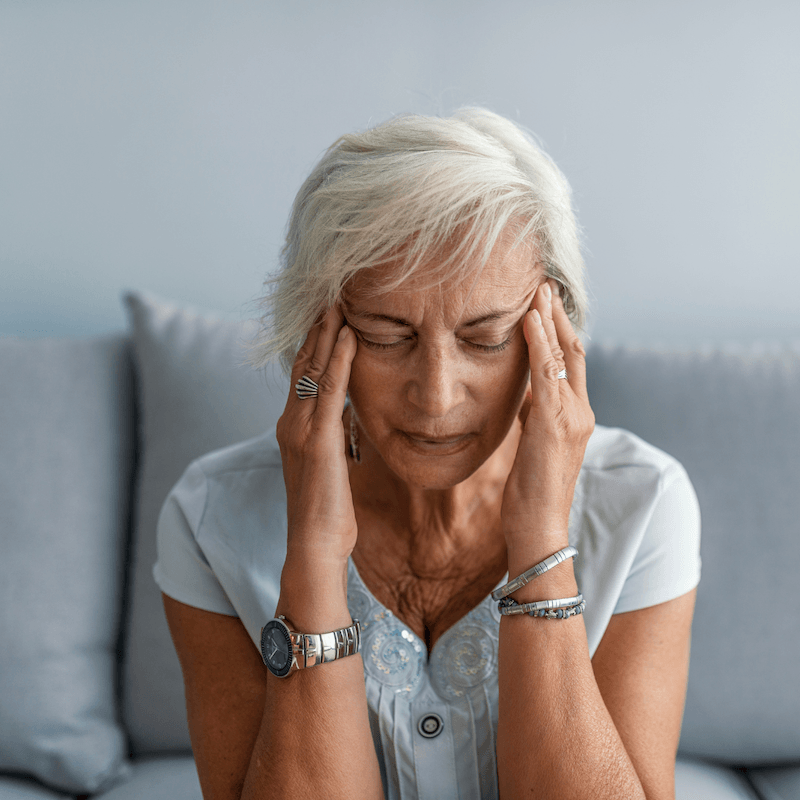
Classic head pain is not present in every migraine variant; specifically, a vestibular migraine disrupts vestibular balance, motion tolerance, and spatial navigation. Our ENT practice evaluates recurrent dizziness to diagnose whether a vestibular migraine or an alternative balance disorder is the primary cause. Securing effective migraine treatment requires identifying your specific symptom profile and discussing those details thoroughly with your physician.
Vestibular vs. Classical Migraine: Key Differences
Both vestibular migraine and classic migraine belong to the same neurological spectrum, yet their hallmark symptoms manifest differently. Conventional migraine episodes standardly present with moderate to severe pulsating head pain that affects one side and worsens with activity. Patients frequently report concurrent symptoms including nausea, heightened light sensitivity, sound intolerance, and classical visual aura.
A vestibular migraine primarily manifests as true vertigo, disequilibrium, balance dysfunction, and severe motion sensitivity. Patients may experience coexisting head pain, but headache is not an obligatory component of every vestibular episode. Attacks may involve a false sense that the person or room is moving, dizziness triggered by head motion, or discomfort in visually busy environments.
Diagnostic criteria specify that qualifying vestibular episodes typically span between five minutes and 72 hours. Because clinical manifestations often fluctuate between episodes, linking these balance issues to a migraine etiology can be challenging.
Understanding the Biological Mechanisms of Vestibular Migraine
No single disorder is known to cause vestibular migraine. The clinical phenomenon involves shared brainstem and cortical pathways that process migraine pain alongside balance inputs. Having a personal or family background of migraine disease, along with chronic motion sensitivity, increases patient risk.
Clinical episodes are frequently provoked by:
- Irregular or insufficient sleep
- Skipping scheduled meals or experiencing acute dehydration
- High emotional stress levels or post-stress relaxation periods (“weekend migraine”)
- Menstrual cycle fluctuations or other physiological endocrine changes
- High-contrast visual patterns, strobe effects, or glaring light environments
- Passive transportation motion, amusement park rides, or rapid computer scrolling
- Alcohol or individually identified food triggers
- Weather changes or sensory overload
Symptomatic Comparison Between Vestibular and Standard Migraines
Standard migraine attacks are conventionally diagnosed by cephalalgia, yet the clinical picture involves numerous non-pain symptoms. Associated symptoms can include gastrointestinal distress, vomiting, visual aura, systemic exhaustion, brain fog, neck pain, and hyperacusis or photophobia.
Vestibular migraine may include:
- True rotational vertigo or generalized non-rotational movement illusions
- Postural disequilibrium, ataxia, or generalized loss of balance
- Cervicogenic or vestibular dizziness exacerbated by head motion
- Acute nausea triggered by passive or active bodily motion
- Sensory intolerance triggered by scrolling monitors, bustling public crowds, oncoming traffic, or geometric lines
- Dysperceptions of motion such as internal rocking, floor tilting, floating, or gravitational pulling
- Acute sensitivity to daylight, artificial lighting, loud acoustic sounds, and complex visual environments
- Head pressure or migraine-type headache
- Reversible aural pressure, sensations of blocked ears, or transient tinnitus
Analyzing episode frequency, duration, and precipitating factors helps differentiate vestibular migraine from competing inner ear pathologies. Acute vertigo presenting with unilateral weakness, numbness, speech deficits, diplopia, fainting, or severe loss of ambulation requires urgent medical intervention.
Can You Experience Vertigo and Head Pain During the Same Migraine?
Yes, they can. Vertigo and a migraine headache can occur during the same attack. Vertigo can herald the onset of headache, accompany active head pain, persist after the pain subsides, or present during an isolated, headache-free attack. Some people alternate between headache-dominant and balance-dominant attacks over months or years.
An episode of vertigo does not have to feature head pain to be classified within the migraine spectrum. Using a detailed symptom diary can highlight critical physiological associations that prove difficult to remember weeks later. Record the timing and duration of dizziness, headache features, sensory sensitivity, menstrual cycle, sleep, meals, possible triggers, medications, and response to treatment. This information can make an evaluation more precise.
Establishing a Vestibular Migraine Diagnosis: Testing and Criteria
Diagnosing vestibular migraine cannot be accomplished via a single diagnostic blood test, radiologic scan, or balance assessment. Clinical identification relies first on a thorough review of episode characteristics and a personal history of migraine with or without aura. Consensus clinical guidelines specify at least five moderate to severe vestibular episodes spanning five minutes to 72 hours, accompanied by migraine characteristics in at least half of the events.
We may perform a neurological, eye-movement, ear, hearing, and balance examination. Depending on the symptoms, testing may include an audiogram, positional testing, vestibular studies, or imaging. These comprehensive assessments allow our clinical team to identify or eliminate alternate conditions that trigger overlapping vertigo. We confirm a vestibular migraine diagnosis strictly when clinical criteria align and alternative vestibular pathologies are ruled out.
What Treatments Are Available for Vestibular Migraines?
Care plans are individualized to match your specific attack frequency, symptom severity, comorbid headaches, general medical background, and medication tolerances. Effective clinical management frequently involves combining long-term daily prevention with an actionable rescue strategy for acute attacks.
Our practice designs a comprehensive treatment strategy that may incorporate:
- Maintaining consistent circadian sleep patterns, disciplined meal times, adequate hydration, and regular exercise
- Identifying and mitigating specific individual dietary, visual, or physiological triggers
- Implementing evidence-based stress-reduction protocols, biofeedback, or behavioral therapies
- Utilizing pharmaceutical antiemetic therapies to control severe nausea and associated symptoms
- Measured, temporary use of vestibular suppressant pharmaceuticals during severe vertigo crises
- Prophylactic regimens involving beta-blockers, calcium channel blockers, topiramate, tricyclic antidepressants, or CGRP inhibitors
- Prescribed vestibular rehabilitation protocols to alleviate ongoing unsteadiness and motion-induced dizziness
Clinicians recommend using vestibular suppressants sparingly because chronic usage causes fatigue and prevents the central nervous system from adapting to balance signals. All prescription decisions must be established alongside our clinical team rather than borrowed from someone else’s treatment protocol. Meaningful symptom relief often necessitates gradual medication titration while systematically recording changes in your symptom log.
Arrange an Otolaryngology Balance Assessment
If chronic vertigo, motion intolerance, or balance instability is impacting your quality of life, arrange an evaluation with our ENT practice. Your consultation can include a review of migraine history, health conditions, and treatment goals, with a focused examination and appropriate testing to help distinguish vestibular migraine from BPPV, Ménière’s disease, and other causes of dizziness. Contact us to request a vestibular migraine appointment.