
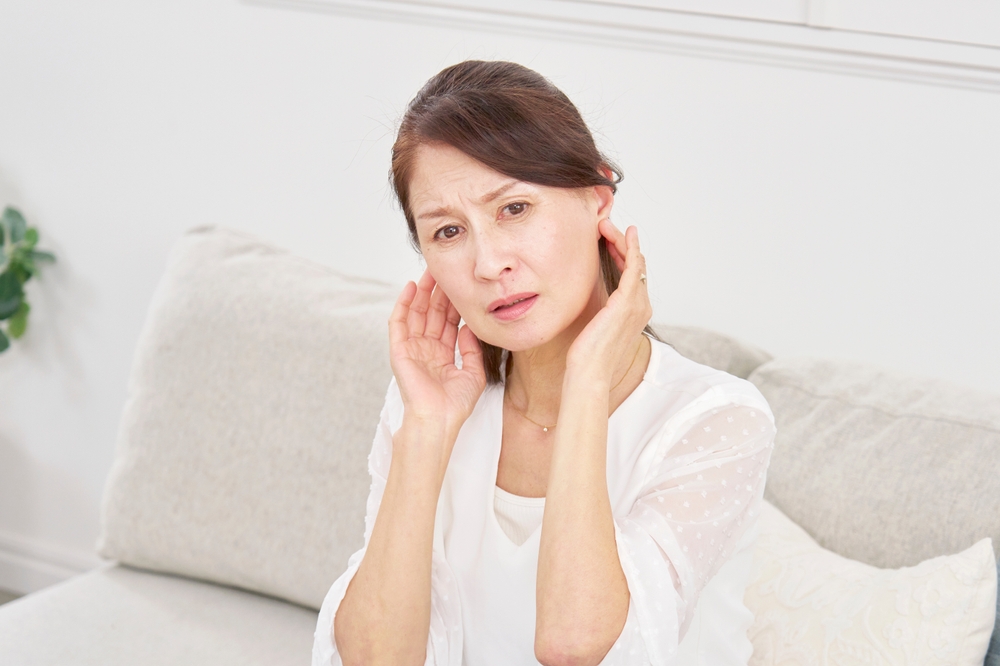
Beginning your morning only to find your hearing has disappeared creates an instant sense of panic. When hearing fades without a distinct trigger or warning sign, the ensuing disorientation is profound. While some causes are temporary and easily treated, others require immediate clinical intervention.
Identifying the frequent catalysts for fast hearing loss and acting decisively can profoundly impact your recovery path. Below, we review the characteristics of sudden hearing impairment along with clinical advice on when to call a specialist.
Understanding Rapid Auditory Decline
Clinically, sudden hearing loss is categorized as an increased reduction in auditory function occurring nearly immediately or over a 72-hour period. It may affect one ear or, less commonly, both. Individual experiences vary from clouded hearing and tinnitus to a distinct sense of congestion or vocal distortion.
Navigating SSHL: A Medical Priority
Sudden sensorineural hearing loss is one of the most urgent causes to evaluate.
The condition is caused by physical damage affecting the cochlea, hearing nerve, or neural pathways. While a definitive cause may be difficult to pin down, the following factors frequently play a role:
- Decreased vascular supply to the fragile inner ear structures
- Heightened inflammation inside the auditory pathways
- Underlying viral triggers affecting the ear
- Complex neurological conditions
Clinical professionals classify SSHL as an emergency because immediate therapy drastically enhances the chance of complete recovery.
The Role of Viral Pathogens
Various viruses have the potential to damage hearing long-term by causing inflammation in the auditory nerve.
Viruses associated with sudden hearing changes include:
- Viral cold and nasal infections
- Influenza
- Neural infections
- COVID-19–related viral effects
Hearing symptoms often manifest during the peak of an illness or in the immediate recovery phase, sometimes alongside vertigo.
Traumatic Triggers for Hearing Change
Significant head trauma, abrupt pressure fluctuations, or acoustic shocks are known to damage the fragile components of the hearing system.
Common drivers of trauma-induced hearing loss involve:
- Traumatic brain injuries or concussions
- Sudden shifts in ear canal pressure
- Intense acoustic trauma
- Disturbances in cochlear fluid balance
Even minor injuries can impact hearing, especially if symptoms appear quickly afterward.
Impacted Cerumen and Hearing Blockage
While less serious than inner ear causes, impacted earwax can still cause sudden hearing changes.
Cerumen-induced hearing loss may:
- Manifest with abrupt speed
- Sensation of fullness or pressure
- Impact one ear more than the other
- Subside once the canal is professionally cleared
Importantly, it’s not always possible to tell at home whether hearing loss is due to wax or something more serious. That’s why clinical testing is critical.
Exploring Secondary Triggers for Hearing Changes
Other variables that can influence a sudden drop in hearing include:
- Ototoxic drug reactions
- Vascular health issues affecting the ear
- Immune-mediated inner ear disease
- Rare growths affecting the auditory nerve
A thorough diagnostic battery is essential to eliminate these more complex causes.
Why Acting Fast Matters for Sudden Hearing Changes
One of the most important messages around sudden hearing loss is don’t wait and see.
A fast response from an audiologist can help:
- Determine if the hearing loss is medically reversible
- Maximize the potential impact of medical therapies
- Protect against lasting damage to the auditory nerve
- Reduce long-term communication challenges
Comprehensive hearing tests are the primary tool for categorizing the impairment and establishing a recovery plan.
When to Seek Immediate Help for Sudden Hearing Loss
Immediate clinical attention is needed if any of the following symptoms manifest:
- An abrupt inability to hear properly in either ear
- A loss of hearing accompanied by vertigo or lack of coordination
- A sudden sensation of ringing or intense ear pressure
- Auditory decline following a viral infection or physical trauma
Even if symptoms subside, you still require a formal assessment to identify the root cause.
How Hearing Tests Provide Immediate Solutions
Audiology diagnostics can quickly clarify whether hearing loss is:
- Related to mechanical blockages or conductive barriers
- Sensorineural, affecting the inner ear or hearing nerve
- A reversible shift or a lasting auditory decline
Swift testing is the foundation for timely medical action and superior long-term results.
Final Thoughts on Addressing Abrupt Hearing Loss
Abrupt hearing loss is bound to feel alarming, but the sooner you seek care, the more options you may have to address it.
By prioritizing a professional hearing check-up, you protect both your auditory function and your mental well-being. Our expert staff is ready to assist you: Please contact our clinic immediately for an emergency assessment.